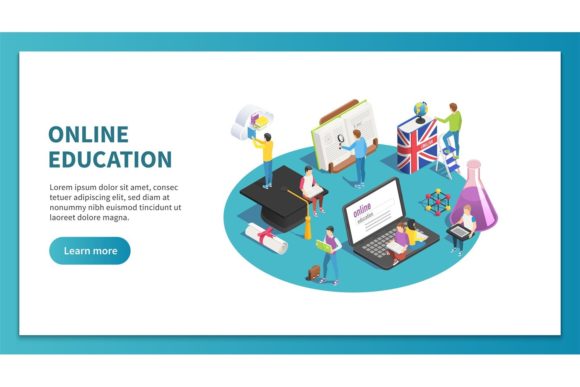
Online Education Isometric Concept: A Modern Approach to Learning
The Online Education Isometric Concept represents a shift in how we think about digital learning. It combines the visual clarity of isometric design with the flexibility of online education, creating an engaging and intuitive experience for students and educators alike. This approach not only enhances user interaction but also aligns with current trends in web-based learning, making it a valuable tool for anyone involved in digital education.
As more people turn to online platforms for knowledge acquisition, the need for visually appealing and functional educational content has never been greater. The Online Education Isometric Concept addresses this need by offering a structured yet creative way to present information. Whether you're a student, educator, or business professional, understanding this concept can help you navigate the evolving landscape of digital learning.
Understanding the Online Education Isometric Concept
The Online Education Isometric Concept refers to the use of isometric graphics within online learning environments. Isometric design uses 3D-like projections to create depth and dimension without the complexity of true 3D modeling. This style is particularly effective in educational contexts because it simplifies complex ideas and makes them easier to understand.
In the realm of online education, this concept is often used to visualize course structures, learning pathways, and interactive elements. For example, a course on computer education might use isometric diagrams to illustrate software interfaces, network configurations, or data flow. These visuals not only make the material more accessible but also enhance the overall learning experience.
One of the key advantages of the Online Education Isometric Concept is its adaptability. It can be applied across various subjects, from business training to technical courses, providing a consistent and recognizable visual language that supports user engagement and comprehension.
Why the Online Education Isometric Concept Matters Now
The relevance of the Online Education Isometric Concept has grown significantly in recent years. With the rise of remote work, digital literacy, and online learning platforms, there's a heightened demand for educational materials that are both informative and visually engaging. This trend reflects a broader shift in user expectations, where aesthetics and functionality go hand in hand.
Modern learners, especially adults aged 20–50, value experiences that are efficient, clear, and easy to navigate. The Online Education Isometric Concept meets these expectations by offering a streamlined way to present information. Whether you're enrolling in an online college program, attending a teaching seminar, or taking a web course, the use of isometric design can make the process more enjoyable and effective.
Additionally, the concept aligns with the growing emphasis on user-centered design in digital products. As more users interact with educational content through computers, tablets, and smartphones, the need for responsive and visually coherent interfaces becomes increasingly important. The Online Education Isometric Concept helps bridge this gap, ensuring that learning remains accessible and engaging across different devices and platforms.
Evolution of the Online Education Isometric Concept
The Online Education Isometric Concept has evolved alongside advancements in technology and changes in user behavior. In the early days of online learning, educational content was often text-heavy and lacked visual appeal. However, as digital tools have become more sophisticated, so too have the ways in which information is presented.
Today, isometric design is widely used in e-learning platforms, mobile apps, and interactive websites. It has become a standard in fields such as graphic design, architecture, and engineering, where visual representation plays a crucial role. This evolution has made the Online Education Isometric Concept more relevant than ever, as it offers a practical and scalable solution for presenting complex information in a clear and concise manner.
Moreover, the increasing availability of vector design tools, such as Adobe Illustrator, has made it easier for educators and designers to create and customize isometric content. This accessibility has contributed to the widespread adoption of the concept, allowing more individuals and organizations to benefit from its visual and functional advantages.
Practical Implications for Users and Professionals
For users, the Online Education Isometric Concept translates into a more engaging and effective learning experience. Whether you're studying for an exam, participating in a training session, or exploring new skills, the use of isometric graphics can help you grasp concepts more quickly and retain information more effectively.
Professionals, including educators, trainers, and instructional designers, can also benefit from this approach. By incorporating isometric design into their teaching materials, they can create more dynamic and interactive content that resonates with modern learners. This can lead to improved engagement, better performance, and a more satisfying educational experience for all parties involved.
Businesses and institutions that offer online education or training programs can leverage the Online Education Isometric Concept to stand out in a competitive market. By investing in visually compelling and user-friendly learning materials, they can attract more students, improve satisfaction, and enhance their overall reputation.
Real-World Applications and Examples
The Online Education Isometric Concept is already being used in a variety of real-world applications. For instance, many online colleges and universities incorporate isometric design into their course interfaces, helping students navigate through modules, assignments, and assessments with ease. This not only improves the user experience but also reinforces the structure and logic of the learning process.
In the field of computer education, isometric graphics are often used to explain technical concepts such as coding, networking, and software development. These visuals break down complex processes into digestible parts, making it easier for learners to follow along and apply what they've learned. Similarly, in teaching seminars and professional development programs, isometric design can be used to illustrate best practices, case studies, and theoretical frameworks.
Another area where the Online Education Isometric Concept shines is in the creation of landing pages for educational websites. By using isometric visuals to highlight key features, benefits, and offerings, these pages can capture attention, convey value, and encourage further exploration. This is particularly useful for businesses looking to attract students, professionals, and other target audiences.
Recommendations for Implementing the Online Education Isometric Concept
If you're considering integrating the Online Education Isometric Concept into your educational materials or digital products, there are several steps you can take to ensure success. First, invest in quality vector design tools such as Adobe Illustrator or other compatible software. These tools allow you to create, edit, and customize isometric graphics with precision and flexibility.
Second, focus on clarity and consistency. While isometric design offers a visually appealing format, it should always serve the purpose of enhancing understanding. Avoid overcomplicating visuals or using them in ways that may confuse rather than clarify. Instead, aim for a balance between aesthetics and functionality.
Finally, consider the needs and preferences of your audience. Different learners may respond differently to visual styles, so it's important to test and refine your approach based on feedback. By staying adaptable and user-focused, you can maximize the impact of the Online Education Isometric Concept and create more meaningful learning experiences.