Integrating Flower Drawing Poppy Clip Art SVG into Professional Design Workflows
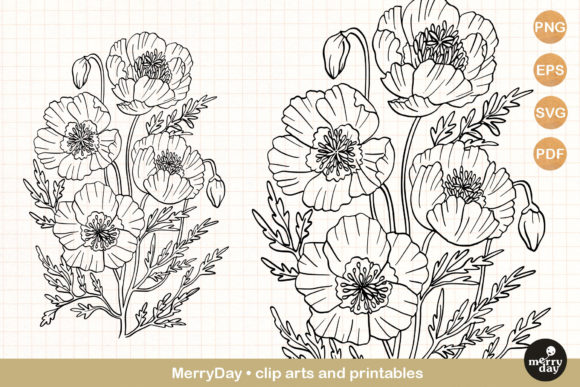
In the modern creative landscape, efficiency and aesthetic consistency are paramount. Whether you are a small business owner launching a new product line, a wedding planner curating invitation suites, or a digital marketer designing social media assets, the quality of your visual elements dictates the perceived value of your final output. This is where specific, high-quality assets like Flower Drawing Poppy Clip Art Svg become essential components of a streamlined design process. Unlike generic stock imagery that often requires extensive editing to fit a brand's voice, specialized line art offers a versatile foundation that can be adapted across multiple mediums without losing fidelity.
The transition from a conceptual idea to a tangible product involves several stages: preparation, asset selection, integration, and final output. Incorporating black and white line art, specifically hand-drawn flower illustrations, fits seamlessly into this workflow. These assets are not merely decorative; they are functional tools that solve common problems related to resolution, scalability, and format compatibility. By understanding how to leverage these files effectively, creators can reduce production time while maintaining a high standard of visual quality.
The Strategic Value of Vector and High-Resolution Raster Formats
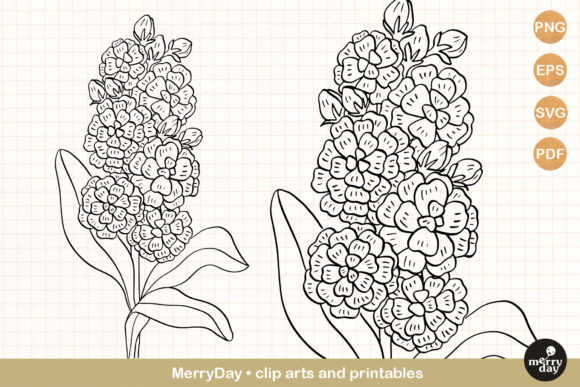
When selecting assets for a project, the file format is often the most critical technical decision. A robust design package typically includes PDF, PNG, EPS, and SVG formats, all rendered at 300 DPI for high-resolution output. Each format serves a distinct purpose within a professional workflow, and knowing when to deploy each one prevents bottlenecks later in the production cycle.
The SVG (Scalable Vector Graphics) format is indispensable for web decoration and digital interfaces. Because vectors are mathematically defined rather than pixel-based, they remain crisp regardless of scaling. For a web developer or UI designer, using an SVG version of a poppy illustration ensures that the graphic looks sharp on a mobile phone screen as well as a 4K desktop monitor. This eliminates the need to create multiple versions of the same image for different screen densities, significantly speeding up the front-end development process.
Conversely, the EPS and PDF files are the workhorses of print production. If you are designing a wedding party invitation or a large-scale sticker wall decal, these vector formats allow printers to scale the artwork to any size without pixelation. The 300 DPI specification mentioned in high-quality packs usually refers to the rasterized preview or the PNG included, but the true power lies in the vector data within the EPS and PDF files. This ensures that whether you are printing a business card or a billboard, the lines of the hand-drawn flower illustration remain smooth and professional.
The PNG format with a transparent background is crucial for rapid prototyping and composite design. When working in software like Canva, Photoshop, or PowerPoint, a transparent PNG allows you to layer the poppy clip art over photographs, colored backgrounds, or textures instantly. This is particularly useful for marketers creating social media graphics or educators developing presentation slides where time is of the essence. The transparency eliminates the need for manual background removal, a task that can be tedious and often yields imperfect results.
Application Across Diverse Creative Projects
The versatility of black and white line art allows it to permeate various stages of a project, from initial brainstorming to final distribution. Its neutral color palette makes it an ideal candidate for customization, enabling creators to align the asset with specific brand guidelines or thematic requirements.
Stationery and Event Planning
For professionals in the stationery and event industry, consistency is key. A Flower Drawing Poppy Clip Art Svg can serve as the central motif for an entire wedding suite. You might use the vector file to create a subtle watermark on the invitation paper, utilize the high-resolution PNG for the digital save-the-date emails, and employ the line art as a coloring element on the RSVP cards. This approach creates a cohesive visual identity across physical and digital touchpoints. Furthermore, because the art is black and white, it prints efficiently on standard black ink, reducing costs for small businesses producing limited runs of custom stationery.
Product Design and Merchandising
Entrepreneurs looking to launch merchandise such as mugs, tote bags, or apparel benefit greatly from the scalability of these files. When preparing designs for print-on-demand services, the distinction between vector and raster is vital. Using the EPS or SVG file ensures that the poppy design does not become blurry when printed on a large tote bag. Additionally, the simplicity of line art translates exceptionally well to embroidery and screen printing, where complex gradients and shadows can be difficult to reproduce. By starting with a clean, hand-drawn illustration, you minimize the risk of production errors and ensure the final product matches the digital mockup.
Scrapbooking and Personal Organization
Beyond commercial applications, these assets enhance personal productivity and creative hobbies. In the realm of photo album scrapbooking or bullet journaling, the "coloring page" aspect of black and white line art invites personalization. Users can print the designs and add their own watercolors or markers, turning a standardized asset into a unique keepsake. This dual functionality—ready-to-use digital asset and analog coloring template—maximizes the utility of a single purchase, catering to both digital planners and traditional crafters.
Optimizing Workflow Efficiency and Quality Control
Integrating new assets into an existing workflow requires a systematic approach to organization and quality control. To make the most of your Flower Drawing Poppy Clip Art Svg collection, consider the following implementation strategies:
- Centralized Asset Management: Upon downloading the four file formats, immediately organize them into a structured folder system. Separate vectors (SVG, EPS, PDF) from rasters (PNG). Tagging files with relevant keywords such as "floral," "line-art," or "wedding" ensures they are easily retrievable during future projects, preventing the common pitfall of purchasing duplicate assets due to disorganization.
- Pre-Flight Checks: Before sending files to a printer or publishing them online, perform a pre-flight check. Open the EPS or SVG in your vector editor to ensure all paths are closed and there are no stray anchor points. Verify that the transparent PNGs do not have unwanted white halos around the edges, which can occur if the export settings were incorrect. This step safeguards against costly reprints or unprofessional digital presentations.
- Style Consistency: When combining the poppy illustration with other design elements, pay attention to line weight and style. Hand-drawn line art has a specific organic feel; pairing it with overly geometric or corporate sans-serif fonts may create visual dissonance. Instead, pair it with serif fonts or handwritten scripts that complement the organic nature of the flower drawing. This attention to detail elevates the overall design from a simple assembly of parts to a harmonious composition.
Adaptability for Long-Term Use
The longevity of a design asset is determined by its adaptability. Trends in design shift rapidly, but classic black and white line art remains timeless. By owning the source files, you retain the ability to recolor, reshape, or combine the poppy elements as trends evolve. Today, the design might be used in its original black and white form for a minimalist website. Next year, you might fill the shapes with gradient meshes for a vibrant summer campaign. This flexibility ensures that your investment continues to yield returns long after the initial purchase.
Moreover, these elements can be deconstructed. Advanced users can isolate specific petals or stems from the main composition to create new patterns or borders. This modularity turns a single clip art piece into a library of components, exponentially increasing its value within a design toolkit. For pattern designers, repeating the poppy motif in a seamless tile can generate endless background templates for textiles or web headers.
Making Every Day Merry Through Creative Execution
Ultimately, the goal of integrating high-quality tools like Hand drawn flower illustration clip art into your workflow is to reduce friction and enhance creativity. When technical barriers such as low resolution or incompatible formats are removed, you are free to focus on the narrative and emotional impact of your work. Whether you are crafting a heartfelt greeting card, branding a new boutique, or decorating a personal space, the right visual elements act as catalysts for expression.
By treating these digital assets as integral parts of your planning and execution phases, you streamline your production pipeline. You move faster from concept to completion, maintain higher quality standards, and produce work that resonates with your audience. The practical application of these files—spanning from the precision of vector editing to the immediacy of drag-and-drop PNG usage—empowers you to tackle diverse projects with confidence. In a world saturated with generic visuals, the distinct character of a hand-drawn poppy offers a touch of elegance and authenticity, helping you make your everyday projects not just efficient, but truly merry.