Integrating Watercolor Leopard Clipart into Professional Creative Workflows
In the modern landscape of digital design and small business entrepreneurship, the efficiency of your asset library directly correlates with your output quality and speed. Watercolor Leopard Clipart represents more than just a decorative element; it is a versatile resource that, when integrated correctly, streamlines the production of physical goods, digital content, and branded materials. For professionals ranging from stationery designers to marketing consultants, understanding how to deploy high-resolution PNG assets effectively is crucial for maintaining consistency across diverse projects.
This guide explores the practical application of a specific 17-piece watercolor leopard collection, focusing on how these elements fit into broader creative processes. We will examine preparation, technical compatibility, workflow integration, and quality control measures to ensure these assets deliver maximum value in both personal and commercial contexts.
Asset Preparation and Technical Compatibility
Before incorporating any graphic element into a project, a professional workflow begins with asset verification. The set in question comprises 17 individual RGB PNG files, each rendered at approximately 3000 x 3000 pixels with a resolution of 300 DPI. These specifications are not merely numbers; they define the boundaries of your project's potential.
The 300 DPI (dots per inch) standard is critical for print-on-demand services and physical product creation. Whether you are designing planner stickers, custom tote bags, or party invitations, this resolution ensures that the hand-painted textures of the watercolor leopard remain crisp and free of pixelation when printed at sizes up to 10x10 inches. Conversely, the RGB color space indicates these files are optimized for digital display, making them equally suitable for blog headers, social media graphics, and web design elements.
Effective organization starts immediately upon download. A recommended practice is to create a dedicated folder structure within your digital asset management system. Categorize the 17 elements by orientation or specific design features (e.g., "full body," "portrait," "accent pieces"). This preparatory step reduces search time during high-pressure production phases, allowing you to locate the perfect leopard illustration without disrupting your creative flow.
Integration in Stationery and Planner Product Lines
One of the most robust use cases for this clipart set lies in the stationery industry, specifically for creating planner stickers, clips, and dividers. The aesthetic of watercolor leopards appeals to a demographic that values both nature-inspired motifs and sophisticated patterns. Here is how to integrate these assets into a stationery production workflow:
- Design Phase: Import the PNG files into vector or raster software (such as Adobe Illustrator or Procreate). Because the backgrounds are transparent, you can layer the leopard illustrations over patterned papers or solid colors without needing complex masking techniques.
- Functional Application: Use the larger 3000px images for planner dividers where detail is paramount. Utilize smaller crops or specific elements for functional stickers like date markers or checklist icons.
- Prototyping: Before committing to a large print run, produce a sample sheet. Check how the watercolor gradients translate to your specific sticker paper or vinyl material. Some matte finishes may absorb the ink differently than glossy options, altering the perceived saturation of the leopard's spots.
For entrepreneurs selling digital downloads, these elements serve as the core components of printable planner kits. By combining the leopard clipart with typography and functional layouts, you create cohesive products that customers can print at home. The high resolution ensures that even when users print at home on standard letter-sized paper, the quality remains professional.
Sublimation and Custom Merchandise Production
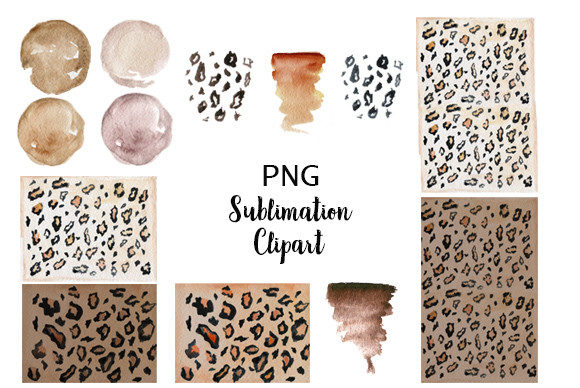
The mention of Watercolor Leopard Clipart Sublimation highlights a specific manufacturing process where heat transfers dye into polymer-coated substrates. This technique is ideal for creating custom apparel, mugs, and tote bags. However, successful sublimation requires strict adherence to file preparation protocols.
When preparing these 17 PNG files for sublimation, color management is the most critical variable. Since sublimation printers often utilize CMYK-based workflows while the source files are RGB, a color shift can occur. It is essential to perform test prints on sublimation paper to verify that the warm tones of the watercolor do not become muddy or overly vibrant after the heat press stage.
Workflow integration for merchandise involves:
- Mockup Creation: Place the leopard elements onto digital mockups of t-shirts or totes to visualize scale and placement. The 10x10-inch capability allows for large, statement designs on the front of a garment or a full-wrap design on a mug.
- Mirroring: Remember that sublimation requires mirroring the image horizontally before printing. Failure to do so will result in reversed text or asymmetrical designs if the leopard is facing a specific direction.
- Heat Press Settings: Adjust time, temperature, and pressure based on the substrate. The detailed brushstrokes in the watercolor art require even pressure to ensure every spot and gradient transfers clearly.
This process transforms a digital asset into a tangible revenue stream. For small business owners, the ability to quickly swap out designs using the 17 different elements in the set allows for rapid inventory turnover and trend responsiveness.
Digital Content and Branding Applications
Beyond physical products, these illustrations play a significant role in digital branding and content marketing. Bloggers, educators, and marketers can leverage the unique texture of hand-painted elements to soften corporate aesthetics or add personality to educational materials.
In web design, the transparent PNG format allows for seamless integration into hero sections or sidebar graphics. Unlike JPEGs, which often carry white halos around irregular shapes, these high-quality PNGs blend naturally with any website background color. This versatility supports consistent branding across different pages and campaigns.
For social media managers, the set offers a quick solution for creating engaging visuals. You can overlay the leopard illustrations on photos to create announcement cards or use them as frames for user-generated content. The key to effective implementation here is consistency; select two or three favorite elements from the 17-file set and use them repeatedly to establish a recognizable visual language for your brand.
Scrapbooking, Papercraft, and Mixed Media
Traditional crafters and scrapbookers benefit immensely from the 300 DPI resolution. In decoupage and papercraft creations, image fidelity is non-negotiable. When printing these elements for physical cutting, the sharpness of the lines ensures clean edges, whether using manual scissors or electronic cutting machines.
Implementation tips for mixed media projects include:
- Layering: Print the leopard elements on cardstock and layer them over textured backgrounds to create depth in greeting cards or invitation suites.
- Embellishment: Use the smaller elements as focal points for gift tags or envelope liners.
- Hybrid Projects: Combine the printed clipart with hand-drawn doodles or embossing powder to create unique, one-of-a-kind stationary items.
The "hand-painted" description of the set implies an organic feel that complements the tactile nature of scrapbooking. This alignment between the digital asset's style and the physical medium's texture enhances the perceived value of the final craft project.
Quality Control and Long-Term Usability
Maintaining a high standard of output requires ongoing quality control. Even with high-resolution source files, variables such as printer calibration, paper type, and software rendering can affect the final result. Establish a routine check where you compare a printed sample against the original digital file on a calibrated monitor.
Furthermore, consider the longevity of your usage. A set of 17 elements provides variety, but overuse can lead to audience fatigue. Rotate the specific leopard illustrations used in your monthly product launches or blog posts. Keep a log of which elements perform best in terms of engagement or sales, allowing data to drive your future design decisions.
Licensing is another factor to manage carefully. Ensure that your usage aligns with the license terms provided with the instant download, particularly regarding the number of end products sold or the requirement for attribution. Adhering to these guidelines protects your business reputation and ensures legal compliance.
Conclusion
Integrating Watercolor Leopard Clipart into your workflow is a strategic move that bridges the gap between artistic vision and commercial execution. By respecting the technical specifications of the 17 PNG files, organizing your digital assets efficiently, and adapting the images to suit specific mediums like sublimation or digital publishing, you maximize the return on your creative investment. Whether you are crafting a single handmade card or scaling a line of planner accessories, these tools offer the flexibility and quality needed to succeed in a competitive market. The true value lies not just in the beauty of the illustration, but in the seamless manner in which it can be deployed across your entire operational spectrum.